 |
| Simon & Augusta Fritzemeier - Randy's great grandparents - 1905 |
Say CHEESE! It's the ubiquitous expression when we're trying to get everyone to smile for a photo.
But say PRUNES? That's a new one for me!
Photographers have relied on the magic of cheese for decades — just mentioning the word is enough to turn up the corners of our mouths into a picture-perfect grin. But the earliest photographers utilized a different food to help purse their subjects’ puckers: prunes. According to Christina Kotchemidova, a communications professor and researcher, British photography studios of the past encouraged people to say "prunes" in an effort to tighten their lips, a look that was more socially preferable than a wide smile.
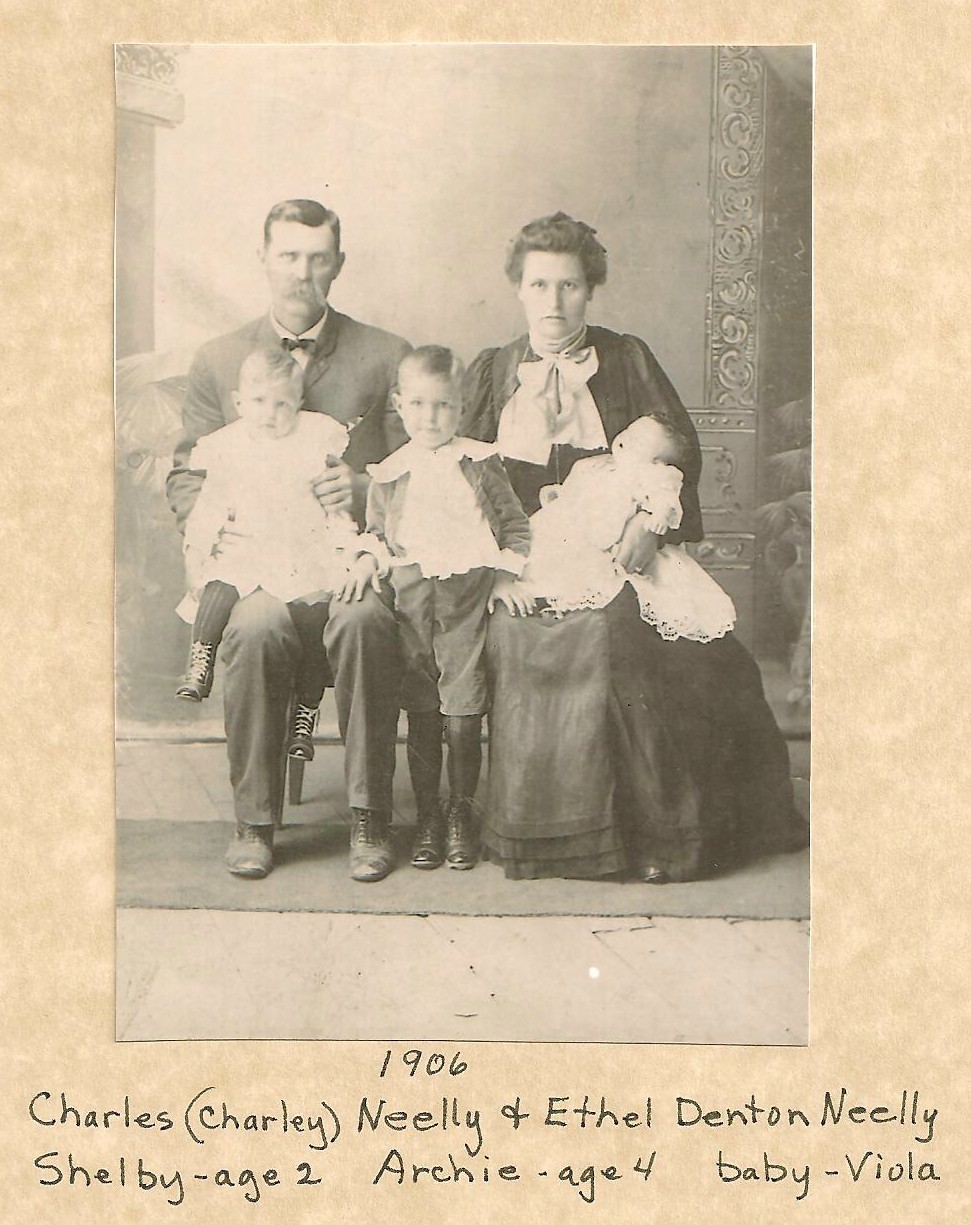 |
| My great-grandparents with their first three children, including my Grandpa Shelby Neelly |
I saved the information from Interesting Facts last week. With Easter coming up, I figured there would be photo opportunities. And there were. On Easter, I took several photos at church of my sister and various combinations of their family.
 |
| My sister, Lisa, and her husband, Kyle with their eight grandchildren. |
And I knew I'd be taking plenty of photos of Kinley and Brooke during a post-Easter visit to Topeka. So I suppose the article peaked my interest.
 |
| Brooke & Kinley during our trip to the Topeka Zoo on Monday. |
These days, we are all smiles when it comes to photos. But most 19th- and early 20th-century photos show subjects with a solemn expression, a look that’s often attributed to the long exposure times of early camera. Holding a neutral expression for several minutes was easier than maintaining a smile.
 |
| My grandparents on their wedding day |
But social norms also played a big role. Stern faces remained popular even after photo technology had improved well enough to easily capture smiles by the late 1800s,. Some historians say that smiling was once considered improper.
 |
| Randy's grandma Laura Russell and her sister Mildred Russell - undated |
Beauty standards of the time called for mouths to have a subdued appearance. Kotchemidova’s research suggests people were expected to have "carefully controlled" mouths with small pouts.
 |
I guess the little boy in this undated photo - Randy's uncle Alvin - didn't get the memo, though his grandparents, Alvin & Laura Ritts did have pleasant expressions. I also noticed that his grandfather gave a small smile in their undated wedding portrait.
 |
| Alvin & Laura Ritts - undated |
According to one study of nearly 38,000 high school yearbook photos from the 1900s to the 2010s, smiling in photos became more popular by the mid-20th century. That may be true, but here are my Great Grandma and Grandpa Neelly in their 50th anniversary portrait in 1950. They look pleasant, I suppose, but still no big smiles were evident.
 | |
| 1950 |
Some historians believe the switch was influenced by two factors: dental care and home photography. Without widespread access to dental care, missing or rotten teeth were common a detail many wouldn't wanted to feature in their portrait. Dentistry became a more established field in the early 1900s, the same time period when Kodak was marketing its amateur cameras as a way to capture life's happier, spontaneous moments - smiles included.
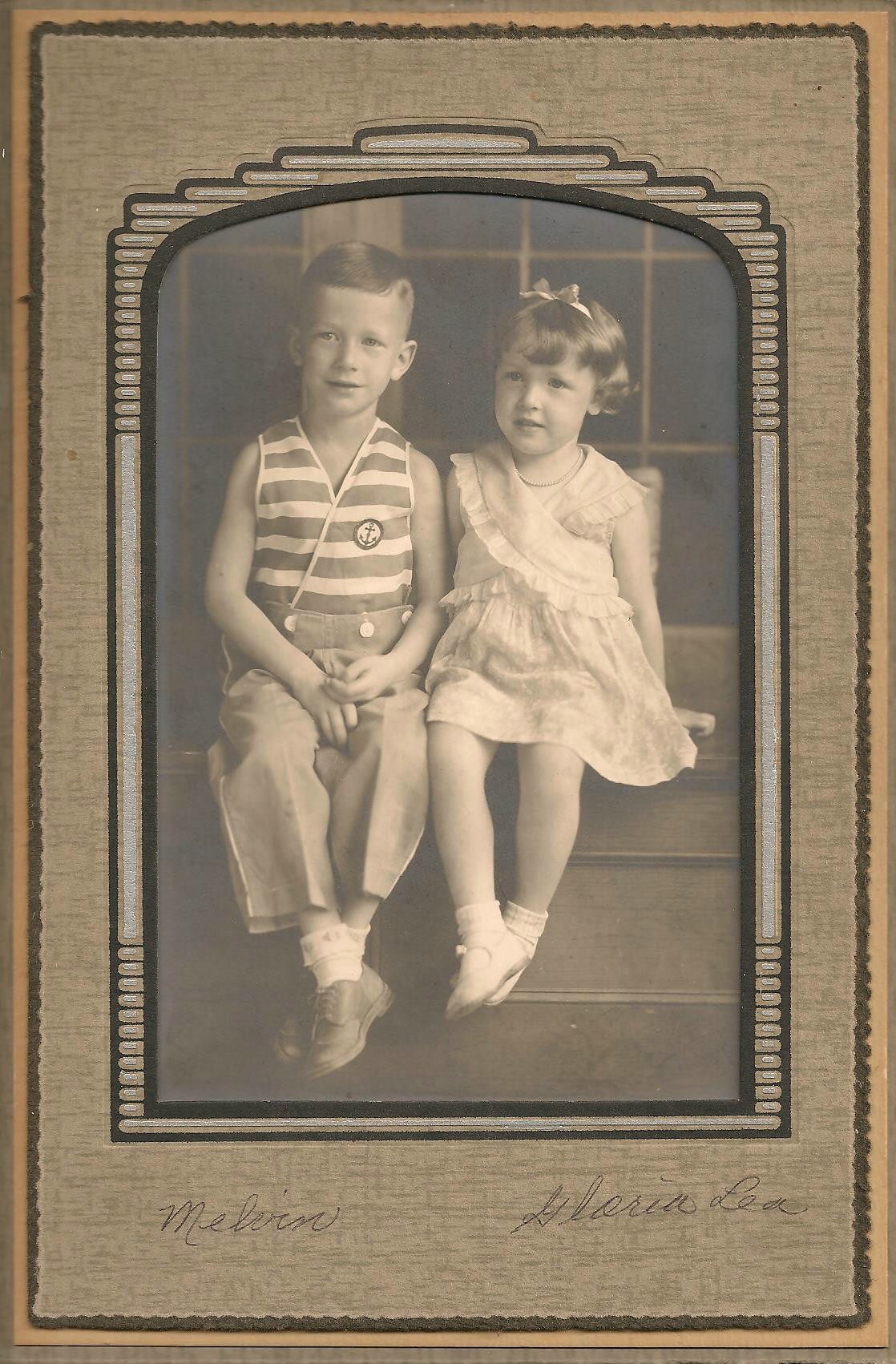
Randy's dad, Melvin, and Melvin's little sister, Gloria, were smiling in this undated photo, so perhaps the tide was shifting for children by the 1930s and '40s.
Nowadays, Grandma Kim can be counted upon to document activities with plenty of photos. No saying "PRUNES" on my watch! So far, the girls are still cooperating.


 |
| Kinley, Brooke & Summer the Labradoodle |
Does it look like the dog is smiling, too?


