Thursday, August 20, 2020

Grand Dame of Reno County


There's a Reno County landmark that's rooted in history - literally.
 
Those of us in 21st Century Kansas may not know much about it. There's no plaque to read, detailing the history she's quietly observed as life passes her by. Even Google doesn't share many of her secrets. And it certainly doesn't reveal her exact age. A grand dame never tells, you know. 
 
We were just glad to see her alive and still standing on a recent excursion down a rutted dirt road. On one of our many trips back from Miller Seed Farm last week, Randy requested a stop at the big cottonwood. We hadn't driven up the dirt road to see how it had fared after the howling winds had toppled our cottonwood and another storm had given a haircut to a hackberry tree in our driveway.
 
The tree - thought to be the largest Plains cottonwood in Kansas - is on a road just east of a cottonwood tunnel on 4th Avenue near Huntsville, our usual route to Hutchinson (and Miller Seed Farm). After the summer windstorms, more tree limbs had littered 4th Avenue, and county road crews had pushed debris from the tunnel of trees into a neighboring field, so we speculated that the mammoth cottonwood might have gotten an unwanted trim, too.
 

But the gentle giant didn't seem much worse for the wear, though there were a few branches broken off its huge "wingspan."
 
It's so big you can't get the whole thing in a single snapshot. Randy tried to demonstrate the massive trunk with his outstretched hands.

"It's a darn big tree," Jim Smith, former director at Dillon Nature Center in Hutchinson, said in an article several years ago in The Hutchinson News. I'm glad he did the measuring because we didn't come prepared, even to measure the trunk and certainly not to scale its height. It measures more than 28 feet around, 96 feet tall and has a spread of about 110 feet.  
 
 
Early Kansas settlers found the native cottonwood trees as they arrived from the eastern U.S. The wide Kansas prairie was often foreign and intimidating to settlers moving west from the Ohio Valley, the Appalachian Mountains or New England. The landscapes they had left back home were covered with trees that provided wood for building homes, fuel for cooking, fuel to warm the hearth during a harsh winter and shade to protect them from a hot summer sun. Following the Oregon and Santa Fe trails west, trees were in very short supply.
When a cottonwood tree was spotted, thoughts of shade, water, wood and back home filled the minds of weary travelers. The cottonwood gave those traveling through the state a respite from the summer sun and the courage to continue west.

When the Kansas Legislature chose the cottonwood (Populus deltoides) as the state tree in 1937, the proclamation read:
"Whereas, if the full truth were known, it might honestly be said that the successful growth of the cottonwood grove on the homestead was often the determining factor in the decision of the homesteader to 'stick it out until he could prove up on his claim'; and Whereas, The cottonwood tree can rightfully be called 'the pioneer tree of Kansas.' "
4th Street cottonwoods in winter
 
They are like the old family patriarch - tall, stately, but maybe a little rough around the edges after years of standing through the changing seasons. Many a country road is lined with these big old trees, whose shimmery green leaves seem to wave a friendly greeting in the Kansas breeze. 
 
We miss our old cottonwood, but we're glad to see the matriarch of Reno County still standing. If only she could tell the tales of what she's seen and survived! 

Tuesday, August 18, 2020

Normal Stuff in an Abnormal Year: Seed Wheat


Our church service was back online last Sunday after an uptick in Covid-19 cases in our rural county. The back-to-school video posted by our community's elementary teachers required a closer look last week as their enthusiastic faces were covered with masks. Our granddaughters' back-to-school clothes shopping was accomplished through an online order. We made the decision to roll over our 2020 K-State football season tickets and hope for a return to Bill Snyder Family Stadium in 2021 instead.

While I enjoyed the text-message fashion show from the cutest school models I know, it was a depressing week. The news and the constant "us vs. them" attitude that permeates social media? It's enough to raise a white flag and declare, "I surrender!"

So a little "normalcy" in our day-to-day business life last week was welcome. It was seed wheat cleaning time. With the world in constant change this year, having the "same-old, same old" on most of our farming tasks has been refreshing.

There was a sign on the door of Miller Seed Farm, asking customers to wear a mask if they came into the office. But the process of getting ready for wheat planting was as comfortable as slipping into comfy, broken-in shoes.

Because of the cyclical nature of farming, I have written "the same" stories during these past 10+ years of blogging. In the time since I launched my blog in January 2010, we've had 11 wheat harvests. So, behind the scenes, we've planted the wheat crop and managed it every year - from seed wheat to fertilizing to praying for rain or praying the rain quits - and then again sending the golden grain through the combine reel. 

And even though the world itself is different this year with Covid-19 and the attached restrictions, there's still a wheat crop to be planted and a new harvest to anticipate. 

During this summer's harvest, Randy saved two varieties of wheat - Bob Dole and Zenda - to be used for planting our 2021 crop. The two different varieties are stored in two separate bins in on-farm storage until we can get it cleaned.

We made multiple trips back and forth this past week from home to Miller Seed Farm near Partridge. With farmers in the area looking ahead to the 2021 wheat crop, Randy scheduled an appointment to get our seed wheat cleaned, leaving plenty of time before planting time begins in late September or early October.  It ends up looking a little like a farm parking lot as trucks are lined up for their turn at the cleaning process.


Come planting time, we will also purchase some certified seed from Miller's, which we will bin during the 2021 harvest and the process will begin yet again with a march toward the 2022 crop.

And the cycle goes on.


As I watched as our two trucks stopped at the scale house to be weighed at Miller Seed Farm, I looked at the backdrop of a gorgeous August sky. Maybe the Kansas sky was just as dramatic last year. I'm sure I have photos that would either support that notion or prove it false.

But I only "see" those similarities and those contrasts if I take time to look. I need eyes to see it ... and the motivation to go down the road to experience it. And I get to hang out with this cute guy!

You may be wondering why the wheat isn't golden in color like it was at harvest. After it's cleaned, we have Miller Seed Farm treat it with an insecticide and a herbicide, giving it its rust-colored hue. This is an extra expense, but we believe it will get the 2021 wheat crop off to a good start. Detractors worry about the amount of chemicals that go into the mix. However, only 0.48 ounce per bushel of Cruiser is used, while 1.68 ounce per bushel of the Vibrance product is used. Think about a little bottle of eye drops (usually about 0.5 ounces). Adding slightly more than 2 ounces to a whole bushel of grain is really not much!


After the wheat comes back to the farm from cleaning, we (OK, Randy) puts it back in the bin to be stored until we plant it in late September or early October. He raises the bed on the tandem truck and tilts it into a tub, where an auger carries it back into the bin.

The white rod in this photo shows the PTO. It's attached to a tractor, which turns the shaft and powers the auger.

 Here are wider shots of the process.

 And here's a video I shot in 2018:

Seed wheat into storage bin from Kim Fritzemeier on Vimeo.

It'll be wheat planting time before we know it. Oh, if only the rest of the world could have that level of normalcy ...  I can dream, can't I?

Thursday, August 13, 2020

Are You Blue(berry)? These Cookies Are!

You'll be "blue" if you don't try this recipe before summer disappears.

There's certainly nothing wrong with a chocolate chip cookie. My dad was convinced that was all we could make back when we were baking at home. So if you're looking for an alternative to chocolate chip, the summertime produce case can provide some inspiration.

Summertime brings sales on fresh berries. Of course, eating blueberries right out of the carton or stirred into fruit salads is the usual way to devour the bounty of summertime flavor. And who can argue with that? But blueberries also provide an alternative to the same old-same old that ends up being our usual go-to cookie recipes. Since Randy loves blueberries, I thought I'd give it a try!

The cookies have a more cake-like texture. Someone on the recipe site compared it to a scone, but I disagree. I usually find scones too dry. With a cream cheese cookie base, this recipe yielded a moister baked texture. And with added sweetness from white chocolate chips and the lemony glaze, they're like summertime in a tasty morsel.

Even if you've tried to be careful stirring in the blueberries, by the time you get to the bottom of the mixing bowl, the dough will likely have a greenish-blue color. It doesn't affect the taste - just the appearance.
It would be possible to use frozen berries, but they would need to be well-drained. And I'm sure there would be more chances of having the blue-green tinge in the finished cookie.

Use a decorator's tube or bag for spreading the glaze, and they'd be perfect for a bridal or baby shower - if we ever get to have such events in person again!

If you try the recipe, let me know what you think!
Blueberry Cream Cheese Cookies
Adapted from Delish
For the Cookies:
1 cup granulated sugar
1/2 cup butter, softened
4 oz. cream cheese, softened
1 large egg
1 tbsp. fresh lemon juice
1 tbsp. lemon zest
2 1/2 cups flour
1 tsp. baking soda
2 tsp. cornstarch
1/4 tsp. salt
1 cup blueberries
1 cup white chocolate chips

For the Lemon Glaze:
1 1/2 cups powdered sugar
1 tbsp. cream (or milk)
1 tbsp. lemon juice
1 tbsp. melted butter

For the cookies:
Preheat oven to 350 degrees. Line two baking sheets with parchment paper or spray with cooking spray. In a large bowl, cream together sugar, butter and cream cheese until fluffy. Scrape down sides. Add egg, lemon juice and zest. Beat until combined.

Combine dry ingredients. Beat into the wet mixture just until combined. Add in white chocolate chips until incorporated. Gently stir in blueberries by hand.

Using a medium-sized cookie scoop, scoop dough onto prepared baking sheets. Bake until cookies are set and edges turn lightly golden, 12-15 minutes. Let cool.

For Glaze: Whisk together all ingredients. If it's too thin, add a little powdered sugar. If it's too thick to drizzle, add a little additional cream or milk. Drizzle glaze onto cooled cookies. Let glaze set up before storing. If stacking cookies, put waxed paper between layers.

Notes:
  • The original recipe called for the lemon zest from one lemon in the glaze. Since I wanted to use a decorator's tip to speed up drizzling the glaze, I opted to leave the zest out. I'm sure it would be tasty and provide a little more lemony "bite." You could also use a knife to spread, but you'd use more glaze (not necessarily a bad thing)!
  • I doubled the recipe so I could have cookies in the freezer. And if you're making a mess, you might as well make it worthwhile, right?! However, once the cookies sit for a little while, the blueberries may leech a bit. This doesn't affect the taste - just the appearance. (Just a heads up - in case you're serving them for an event.)
  • Even if you've tried to be careful stirring in the blueberries, by the time you get to the bottom of the mixing bowl, the dough will likely be a little greenish-blue in color. It doesn't affect the taste - just the appearance. 
  • If you prefer, you can serve them unfrosted, like those in the photo below. The glaze just adds a little extra lemon flavor and makes them look pretty if you're serving for an event.

Tuesday, August 11, 2020

In the Eye of the Beholder

A Time to Think

Those who contemplate the beauty of the earth find reserves of strength that will endure as long as life lasts. There is something infinitely healing in the repeated refrains of nature–the assurance that dawn comes after night, and spring after winter.
 –Rachel Carson
That was a message from an email devotional I saved awhile back. I thought about it again as I looked through photos I've taken in the past couple of weeks.

There is beauty to be found far off the beaten path ...
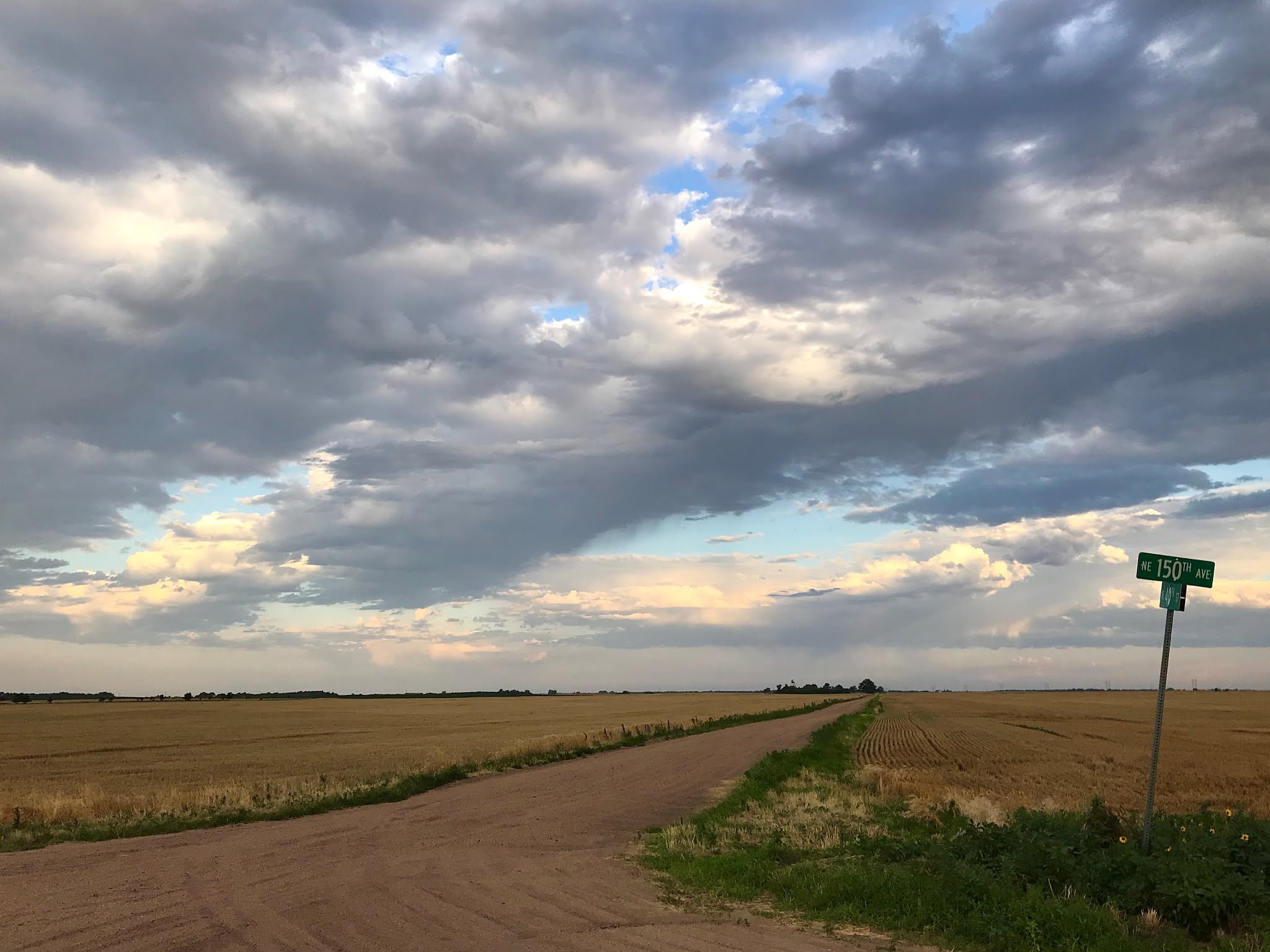
Down a dirt road in Central Kansas
 
... and in carefully-cultivated gardens.
Ted Ensley Gardens, Topeka, KS 
Lake Shawnee - Topeka

It's just a matter of taking time to appreciate them - whether a man-made lake ...
... or a lazy tributary to a Kansas river in the middle of nowhere.
 
One recent evening, we drove to the Ninnescah pasture to check cattle and fences. That mission accomplished, I asked to stop at the bridge to watch the water gently ruffle the grasses along the banks.

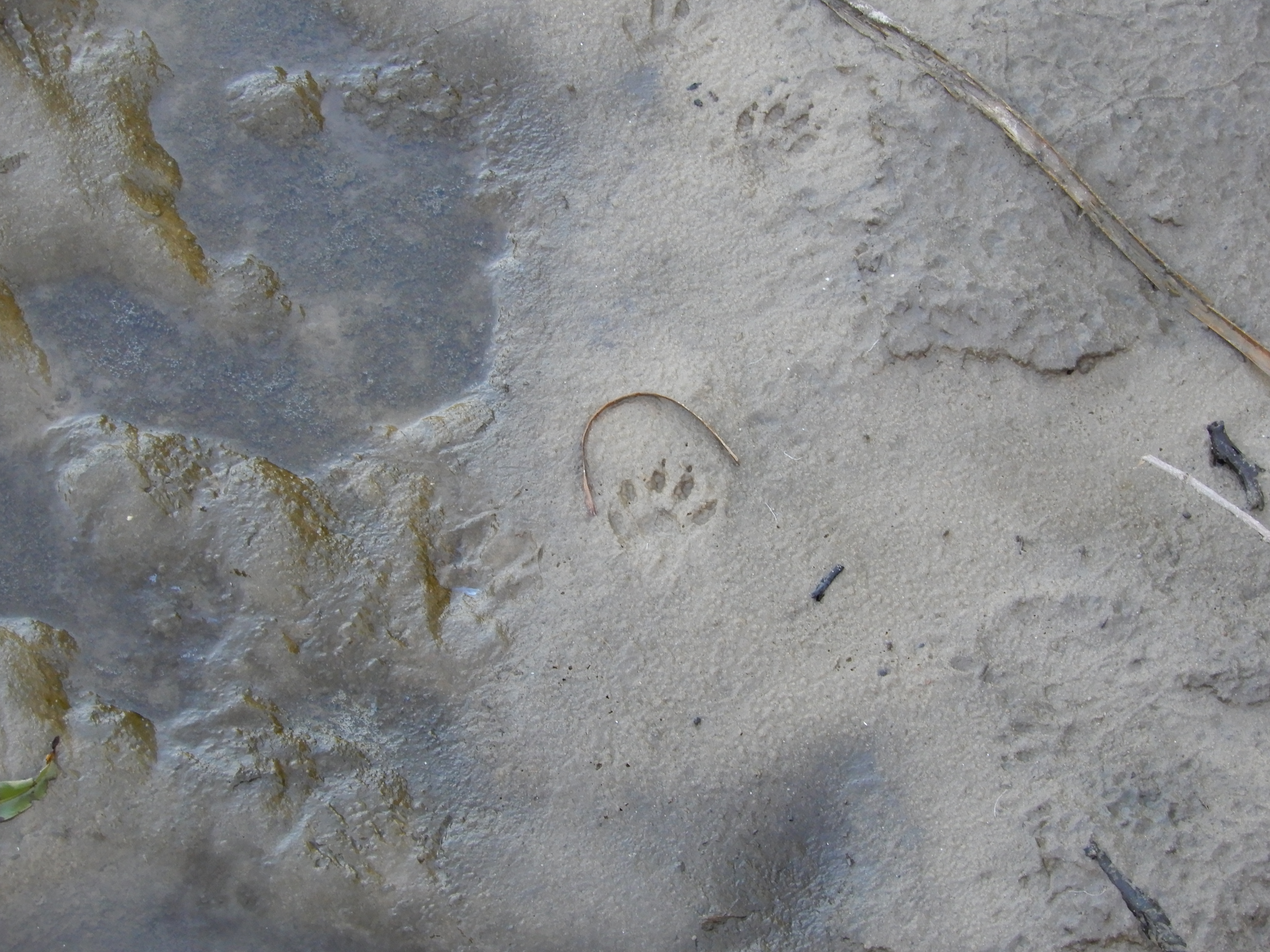
A closer look revealed that other creatures also enjoy a water view!
Then I asked for the drive home to include a road nestled between century-old trees.
The light wiggled its way through the green canopy of trees, leaving a lackadaisical pattern of light and shadows. 
 
There was no one around except for an overflow crowd of mosquitoes. 
But as much as I enjoy the simply beauty of a Kansas country road, I can appreciate well-cultivated gardens. (Not that I find those at home!)

Maybe my pleasure in being at the Ted Ensley Gardens in Topeka had just as much to do with the company I was keeping!
It's getting easier to capture good photos of the girls.
Brooke - almost 6
 
Kinley - 8 1/2

This time, I was more interested in photographing people than flowers. (See another flower-forward visit to Ted Ensley Gardens at this link.)

 These three had to stop at every map to make a plan.

I wasn't the only one being inspired by the setting. Kinley carefully arranged her little sister for a snapshot. 

And she snapped plenty of photos on her mom's phone so she could show her dad, who stayed behind to mow.

 
But she also borrowed my camera for a few shots. I'm thinking 4-H photography may be in her future!

I did manage to find a couple of non-human creatures in the gardens. A butterfly didn't seem to care that I wanted it to alight on the flowers for a still shot. Most of my efforts captured the blur of its wings. But I did manage to get one in focus - though it certainly wouldn't win any prizes. 


The squirrel was too busy eating to worry about what I was doing.

While we enjoyed the sidetrip to the gardens, our trip to Topeka was mainly a mission to deliver desks for the girls. The girls' school will begin with a combination of in-person and online learning. Brooke and the next door neighbor will begin kindergarten in the playroom on their stay-at-home days. They have plans to add a colorful border of letters above their desks.

And, by the time we left, Kinley already had some items on the desk she'll use at home to begin third grade.
Bonus? The desks were free. You can't beat that - especially since it seems that desks are the new "toilet paper" of the pandemic, as Jill says. 

Maybe that devotional would come in handy for students, parents and teachers trying to navigate this new way of doing things. It's worth looking for beauty everywhere - from unmanicured roads to tended gardens to the people in our path.

Thursday, August 6, 2020

The Eagle Has Landed ... And Other Sky Watching

The eagle has landed. But he didn't stay long.

Our prolific July rains were good for fall crops. The downside? The rain generated a bumper crop of weeds. Randy swathed down some weeds in a pasture south of the farmstead last week. A few days later, he noticed the vultures were circling the makeshift "buffet," a collection of small animals that didn't scamper out of the way of the swather quickly enough.
But then he saw a different predator - a bald eagle. Thankfully, it stayed perched on a fence post long enough for me to arrive and snap a few photos.
Then, it soared away and its next perch was in a big old cottonwood tree too far away for my little camera to reach.
We don't often see eagles around the farmstead, and if they do pass through, it's usually during the fall or wintertime. A pair builds its nest at nearby Quivira National Wildlife Refuge each winter, but it, too, is too far away from a roadway for me to capture a photo.

Both Randy and I have kept our eyes to the sky to catch another glimpse of our majestic visitor. But we haven't been lucky enough to see him again. However, I keep thinking about that eagle and all that he sees as he's soaring through the air over our Kansas plains.

I found this quote:

Don't be a parrot in life.
Be an eagle.
A parrot talks way too much but can't fly high.
An eagle is silent and has the power to touch the sky.
--Author Unknown

It seems the world is mighty loud these days. For weeks, our landline rang from morning to night, touting one candidate and denigrating the next. On the occasions when I watched live TV rather than recorded programming, I rolled my eyes at the political ads. How stupid do these political action committees think we are, I wondered?

But, honestly, my Facebook feed some days is no better.

One person is convinced masks will save us all from Covid.
Another person is sure masks are at the center of a conspiracy to take away our freedoms and, by the way, all this craziness will all be over after the general election.
And vaccines? Oh my! That's a whole other can of worms!

One person wants kids back in school immediately.
Another thinks it will be a disaster.

The talk is endless. It's loud.
And some of us are just weary of the fighting.
We long for some listening - some indication there may be room to examine multi-faceted sides to issues.
So maybe I'll be like the eagle and "touch" the sky. These trips to nature seem to sooth the soul.
The summer skies have given us plenty of reasons to get outside - from daybreak to mid-day to dusk.
Last week, one of my email devotionals - New Every Morning - featured a book by Christopher Maricle, "Deeply Rooted: Knowing Self, Growing in God." Here was the message one day:
The entire spectrum of color is always present in the light all around us. Rain doesn't create rainbows. Rain reveals the colors that are already present in the atmosphere. This color spectrum is usually hidden from our sight and only revealed under special conditions. In the same way, we may have moments of insight and revelation that reveal to us - or at least suggest to us - the presence of the Divine that is often hidden but no less real.
--Christopher Maricle
There's just a hint of a rainbow at the bottom of the clouds.
It went on to ask:

How might you gain new insight into the presence of the Divine today?

Peace Creek lives up to its name!

Maybe the eagle has the answer in its silence and its soaring.
My sunrise tree

Prayer for the Week:
Give me the humility to know that I am a growing work in progress
and the grace and understanding to see the growth in those around me.
Ninnescah River at our Sylvia pasture

***
Note: I've taken these sky photos throughout the summer. They may have ended up on Instagram or in Facebook posts, but they hadn't been featured on the blog until today.