Showing posts with label Stafford County Country Club. Show all posts

Tuesday, May 17, 2022

The Weeknd: Sky, Land & Water


They may not be the Justin Bieber of the bird world, but we'll take the "B-level" performers in our little part of the world, too. (Using Justin Bieber as a "star" probably shows how clueless I really am, which is no surprise at all. Actually, my curiosity won and I Googled biggest male singer of 2022. It's The Weeknd - just in case you wanted to know.)

"The Weeknd" visitors weren't the celebrity-level whooping cranes. They do travel through our area in the fall and spring. Their scarcity makes them bigger news and subjects for any paparazzi. 

But the Great Egrets at Quivira National Wildlife Refuge still warranted some camera clicks and watching through the binoculars. We had taken a sightseeing jaunt to the Big Pasture (Rattlesnake Creek pasture), and we took the long way home. I'll call it "sightseeing" because we aren't the ones responsible for day-to-day care of the cattle anymore.
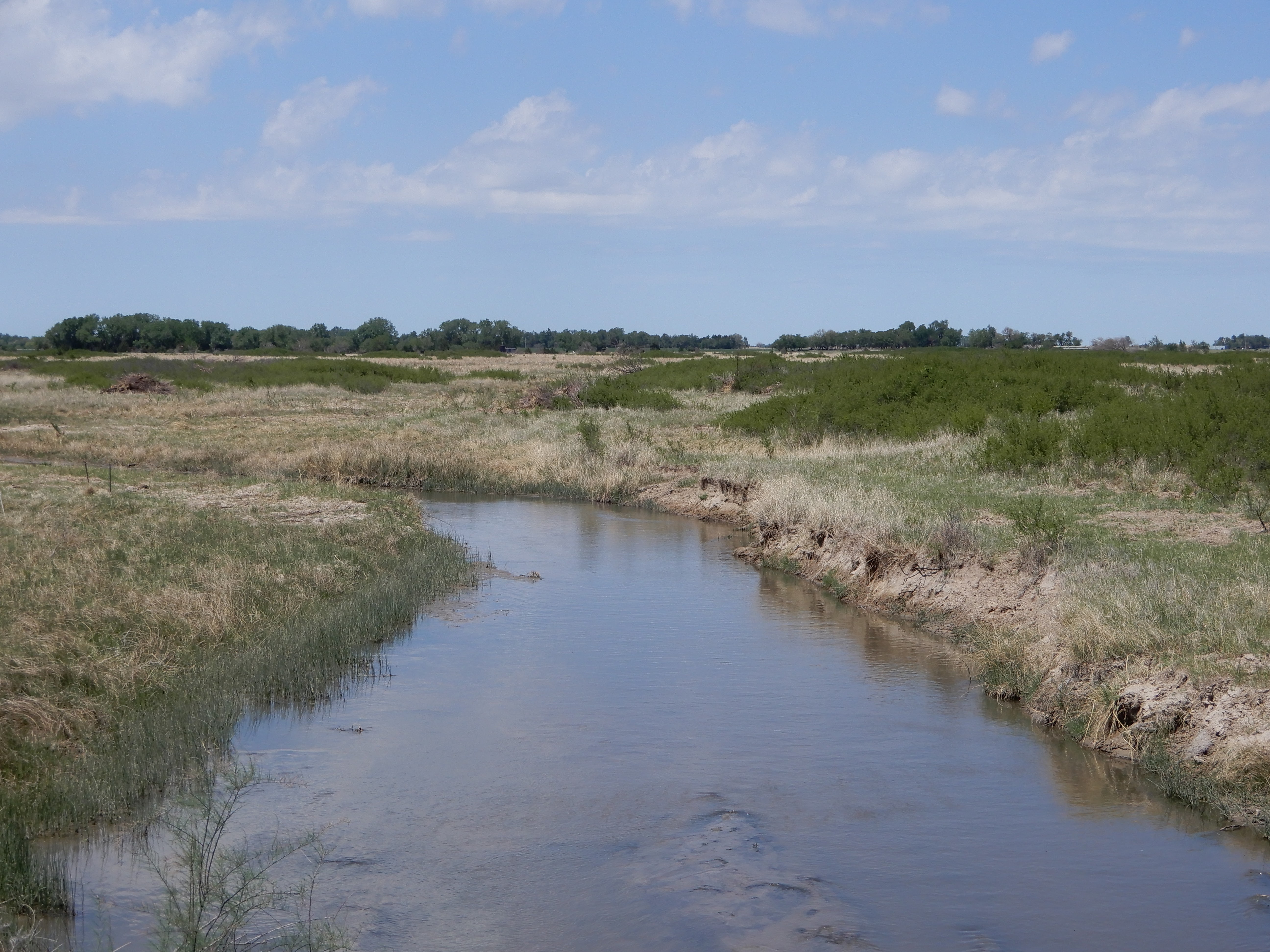
But we still looked the cows and calves over - the ones that weren't hiding in the plum thickets anyway - and we checked the solar battery to make sure it was still charging.
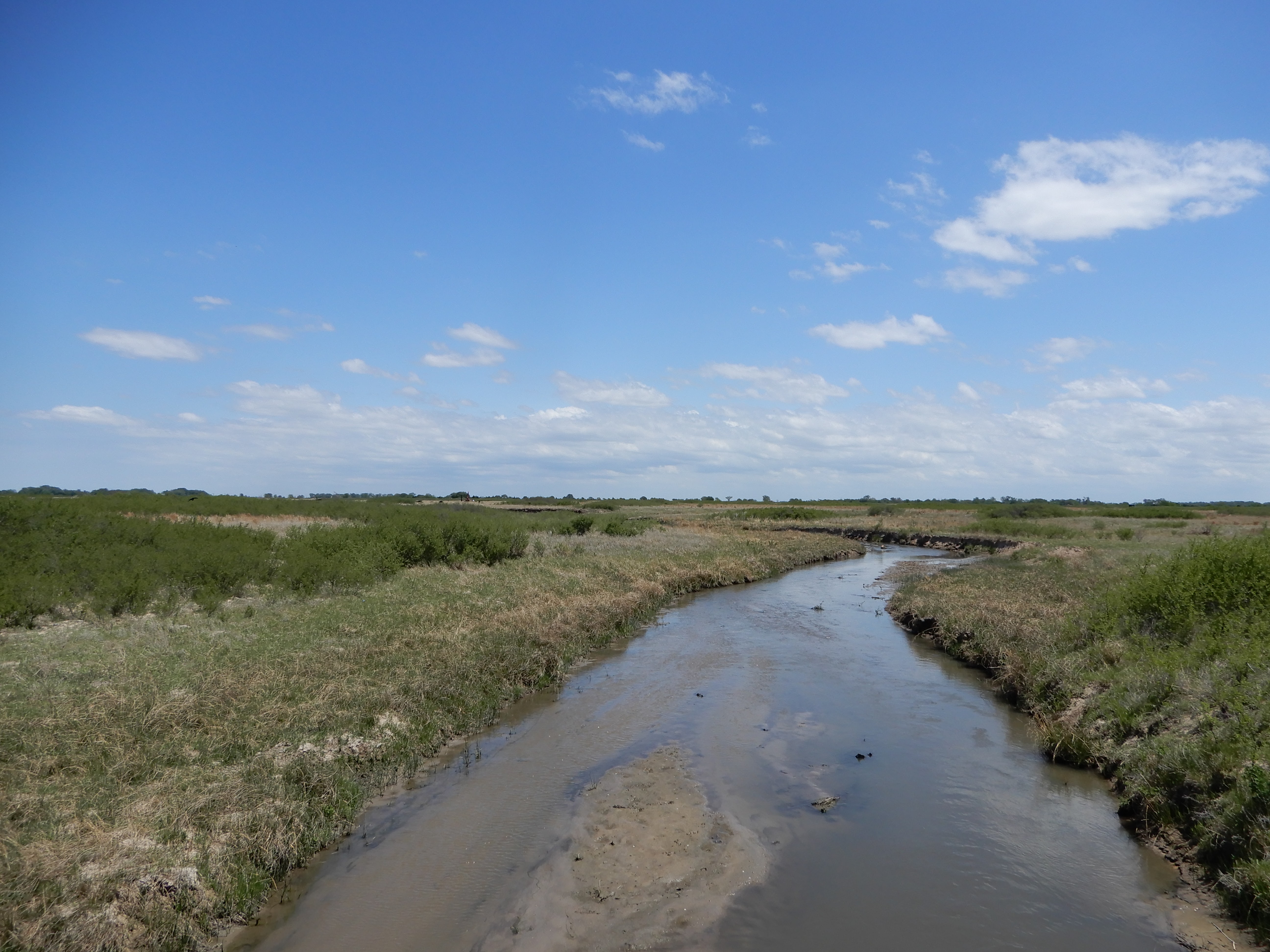
And we stopped for the obligatory snapshot of the Rattlesnake Creek on the bridge. The water level is down some because we've had a dry winter and spring thus far. But there's more in the stream than there was back in 2012 during another drought. 

Our "long way home" took us on a drive through the Quivira National Wildlife Refuge. On the Little Salt Marsh, we saw a number of Great Egrets.  We also saw their smaller "cousins" - what we typically call cattle egrets, too. We see cattle egrets all the time. 


In the map from Cornell University below, the purple is where the Great Egrets live year-round. The yellow shows the migration route for those that migrate. The peach is breeding and the blue is non-breeding. 
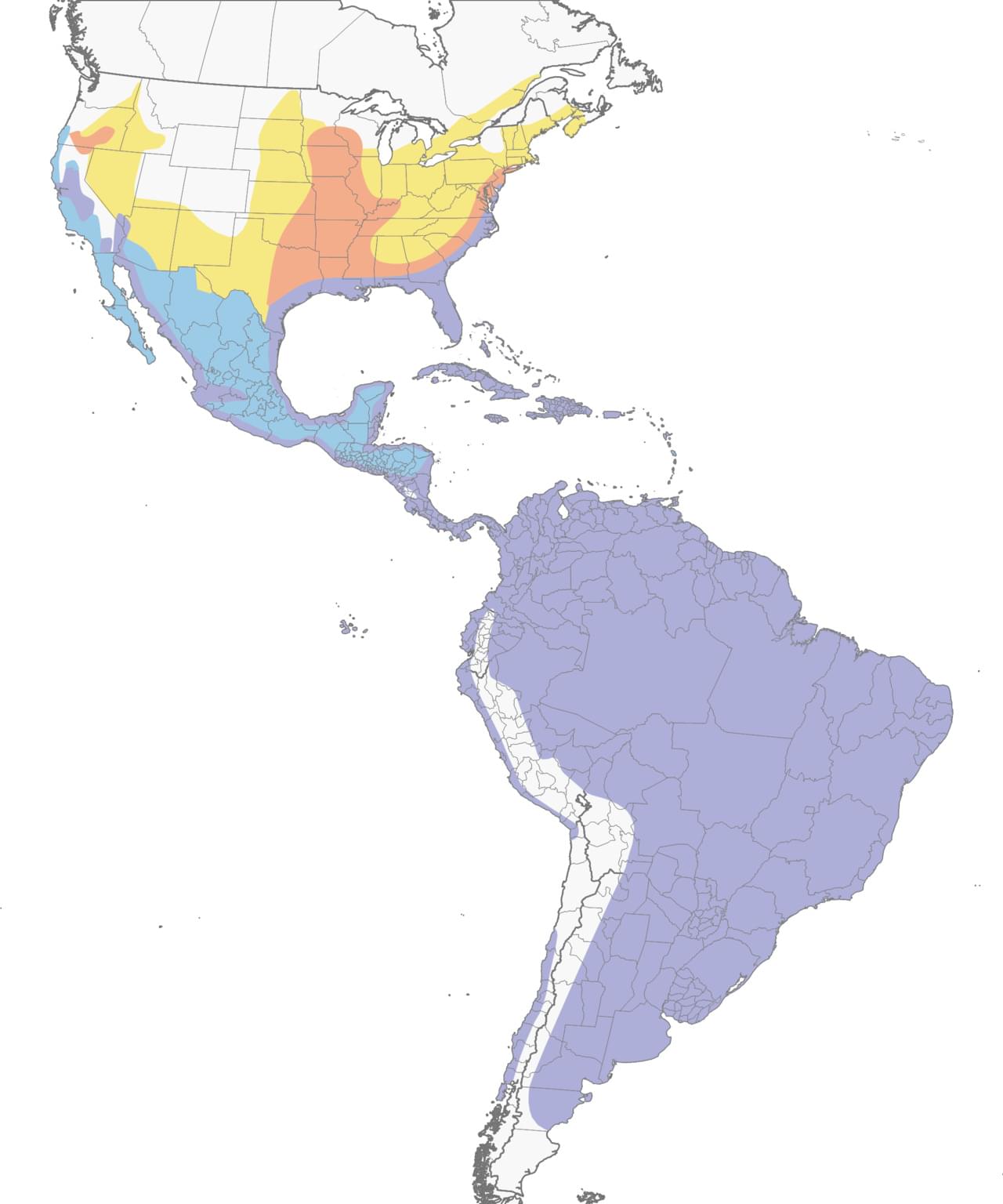
 

Range Map for Great Egret

Map from All About Birds: Resident to medium-distance migrant. Most Great Egrets move south for winter, traveling as far as the West Indies or southern Central America. They migrate by day in small flocks. During mild years, Great Egrets may stay as far north as Massachusetts. Individuals from the southern U.S. may not migrate at all. In late summer and fall, Great Egrets range widely over the continent. Map data are provided by NatureServe in collaboration with Robert Ridgely, James Zook, The Nature Conservancy - Migratory Bird Program, Conservation International - CABS, World Wildlife Fund - US, and Environment Canada - WILDSPACE.

The Great Egrets migrate through our area, including the wetlands of the refuge.


According to All About Birds, they are slightly smaller and more svelte than a Great Blue Heron, but they are still large birds with impressive wingspans. Great Blue Herons usually don't hang around when humans are in the area. The Great Egrets didn't seem to mind much.

From All About Birds website

They hunt in classic heron fashion, standing immobile or wading through wetlands to capture fish with a jab of their yellow bill. Great Egrets were hunted nearly to extinction for their plumes in the late19th century, sparking conservation movements and some of the first laws to protect birds. They are no longer endangered. 

The Great Egret eats mainly small fish but also eats amphibians, reptiles, birds, small mammals and invertebrates such as crayfish, prawns, isopods, dragonflies and damselflies, whirligig beetles, giant water bugs, and grasshoppers. They hunt in belly-deep or shallower water in marine, brackish, and freshwater wetlands, alone or in groups. It wades as it searches for prey, or simply stands still to wait for prey to approach.

The Great Egrets aren't the only avian visitors to our area. The Baltimore orioles have returned to our backyard another year.

I've not been too successful yet in capturing them on camera, but I did get one, who was preoccupied by the grape jelly Randy provides. 

Besides the birds, we encountered wildlife of another variety later in the evening on our trip to the Stafford County Country Club. (As I've said before, it sounds fancier than it is.) But the recent rains have helped green up the scenery. 


 And the clouds were pretty spectacular, too. 


 Randy even gave me credit for his better-than-usual putting game.  

The clouds cleared out for the final viewing of the weekend. We had perfect sky conditions for a little star gazing ... or, more accurately, the lunar eclipse. There are a lot of wonderful images of the lunar eclipse on the internet. These aren't among them. (I haven't figured out how to take moon pictures.)

Whether I got good photos or not, we still enjoyed a beautiful night under the stars. (Well, we made it for the first half of the eclipse. We didn't watch as it reemerged.)


Tuesday, October 20, 2020

Golf: Perfect for Social Distancing


Even as the pandemic has shuttered restaurants, bars and gyms, many golf courses around the country managed to stay open, albeit with some precautions in place to promote social distancing, from sanitizing carts to leaving flag sticks in the holes.

Proponents believed golf could provide a safe outlet for the stir crazy, some fresh air and exercise, perhaps even a dose of normalcy, according to an article in The Christian Science Monitor.

 "None of the general public is good enough to hit it within six feet of each other," said Troy Andrew, executive director of the Washington Golf Association. 

Well, there is that. 

Sand Creek Station, Newton

However, some golf carts are bossy and remind players to wear masks and practice social distancing, the new buzzwords for 2020. 

Lake Shawnee Golf Course, Topeka

Our journey home from South Dakota provided a new course for Randy to try out. The Wild Horse Golf Club at Gothenburg, Nebraska, has won some national awards. (I guess that's what these subscriptions to golf magazines get me: A chance to ride along on award-winning courses.)


Golf Digest in 2015 named Wild Horse the 77th Best American Public Course. It's kind of stuck in the middle of a pasture, so we felt right at home.

Since Randy's tee time was later in the day, we had to wait a little bit so that personnel could do that sanitation. Of course, I wandered in the flower beds and took photos while Randy went to the driving range.


The front porch gave me a preview vista before we ever got started.

Randy was paired with a Wild Horse member, Dr. Jay.


We often meet interesting people this way, and this course was no exception. Having a person intimately acquainted with the course was kind of like Randy having his own personal caddy who could tell him where to aim and pitfalls to avoid.


This was Dr. Jay's house. (He didn't run in for a drink of water or anything.) 

Kind of like those ads that crop up on Facebook after you've Googled "Case engine parts," it's kind of creepy that the golf cart (and the club house) know where you are. 

And if you're lollygagging behind for some reason and you're not fitting into the "rate of play" parameters, you may get a visit from the course manager. Dr. Jay said so. (The timetable was right on the windshield.) Thankfully, we escaped without a reprimand.


Even though the course really was pared out of a pasture, the fairways and greens are perfectly manicured.


My favorite time on the course was as the sun was going down. That provided the best photo ops.

The Nebraska golf outing was certainly not the first foray onto a golf course during the pandemic. The Stafford County Country Club's 9-hole course is our normal golf destination. And we've taken full advantage of that membership this spring and summer - Randy to golf and me to read my latest book and hope for bird photos.

May 2019
 

I've read a lot of good books, but I didn't get anything to rival my Eastern bluebird photo from last year.

First Pandemic Golf Outing, April 6, 2020, Stafford Country Club

On April 23, I did capture a faint photo of a rainbow at the Stafford course.

But we've also traveled to some other golf courses in the area if we had a break from farm work due to weather or life circumstances.

Those included the Sterling Golf Course on May 6.

Lyons Country Club on May 22 (below):

A pretty sky at the Stafford course, June 23 (after a rain and wind storm interrupted wheat harvest):


 The Cherry Oaks Golf Course in Cheney, July 24:

 
Enterprising entrepreneurs had a refreshment stand in their grandparents' yard on the back 9 of the Cheney course. We weren't the only ones who stopped.

Sand Creek Station, Newton, July 28. (Just 4 days after Cheney: Can you tell it rained a bunch that week?)


We about didn't make it through the course without a downpour. I missed getting a photo of the iconic red caboose on the Sand Creek course because of the rain.

We visited the Lake Shawnee Golf Course in Topeka on July 31 (Just 2 days after the Newton excursion ... again, rain keeping us out of the field, not laziness. Plus a trip to Topeka includes a side benefit of seeing the granddaughters.)

 And here we were, back at our home course, on August 21. (I haven't included all the Stafford golf outings here.)

And just a reminder about what I really do during these golf outings ... besides take photos, of course.


We won't be on a golf course today. Dr. Bruce, our vet, is coming to preg-check our 25 heifers. And it's a little too chilly for a golf outing anyway. We'll see if there are any other golf dates in our fall agenda. We have quite a few days of cattle work ahead, so it's not likely. 

But, as I told Randy earlier this summer, I'm glad he took up golf several years ago. As for me, I agree with Mark Twain, "Golf is a good walk spoiled." But I'm glad to be along for the ride during a pandemic.

Tuesday, May 7, 2019

Birds of a Feather

I went along for the ride on Randy's excursion to the Stafford golf course Saturday evening. It was too wet to move our last group of cows and calves. We'd been watching the Kentucky Derby coverage for hours, and it was still a hour away. So I set the DVR and decided I could watch it on tape.

Little did I know that everyone would be watching the tape. Over and over and over again. (Maximum Security, who crossed the line first, was ultimately disqualified and Country House became the declared winner.)
It was a beautiful evening at the golf course. Not too hot, not too cold, not too windy. I could hear the windmill in the pasture to the south creaking its usual song, accompanied by bird calls.

Randy pointed out a bluebird as we drove from one hole to the next, but I missed it. He has eagle eyes - pun intended.
A lot of golfers were also enjoying the Stafford course Saturday night. As we waited for Randy's turn to tee off at another hole, he saw another bluebird. And this one stayed posed while I surreptitiously grabbed my camera and got him in my sights.
When mother nature made the bluebird she wished to propitiate both the sky and the earth, so she gave him the color of the one on his back and the hue of the other on his breast.
John Burroughs
Naturalist and essayist
(I'm on a John Burroughs quote kick. I also used his words for my May basket and nest post.)
 
This was an Eastern bluebird. As Randy says, we've both seen more bluebirds this year than we have in our entire lifetimes. In February, a group of Mountain Bluebirds made a stop in the pasture to the south of our house.
The bluebird carries the sky on his back.
Henry David Thoreau

The bluebird wasn't our only bird encounter this weekend. Randy also found an injured baby hawk in one of our farm sheds.
 Randy thinks one of its wings was battered and broken.
This was the same shed where we'd had the nest of robin's eggs a couple of springs ago.
The big old trees that surround our house provide plenty of real estate for birds, but I'm usually not lucky enough to capture them with my camera. So I just enjoy the serenade. These close encounters were a bonus!

Another bonus: We were finally able to move the final group of cattle to the Rattlesnake Pasture on Monday. More on that later, but - spoiler alert - mission accomplished!